How the Jaw Holds Tension — and Its Path to Relief
An excerpt from the forthcoming book The Flow Within: Improving Women’s Health Through Manual Lymphatic Drainage by Li Ye “Rita” Rawlings, Female Owner and Chief Therapist at Red Cupping Clinic, Redmond, Washington, USA.
The jaw is among the strongest and most active muscle systems in the human body. It works continuously in service of nourishment, communication, expression, and survival—allowing us to chew, speak, swallow, and respond to the world around us. Few structures are asked to do as much, as often, or as precisely. With this in mind, it becomes easier to understand why the jaw is also one of the most commonly overused and quietly strained areas of the body.
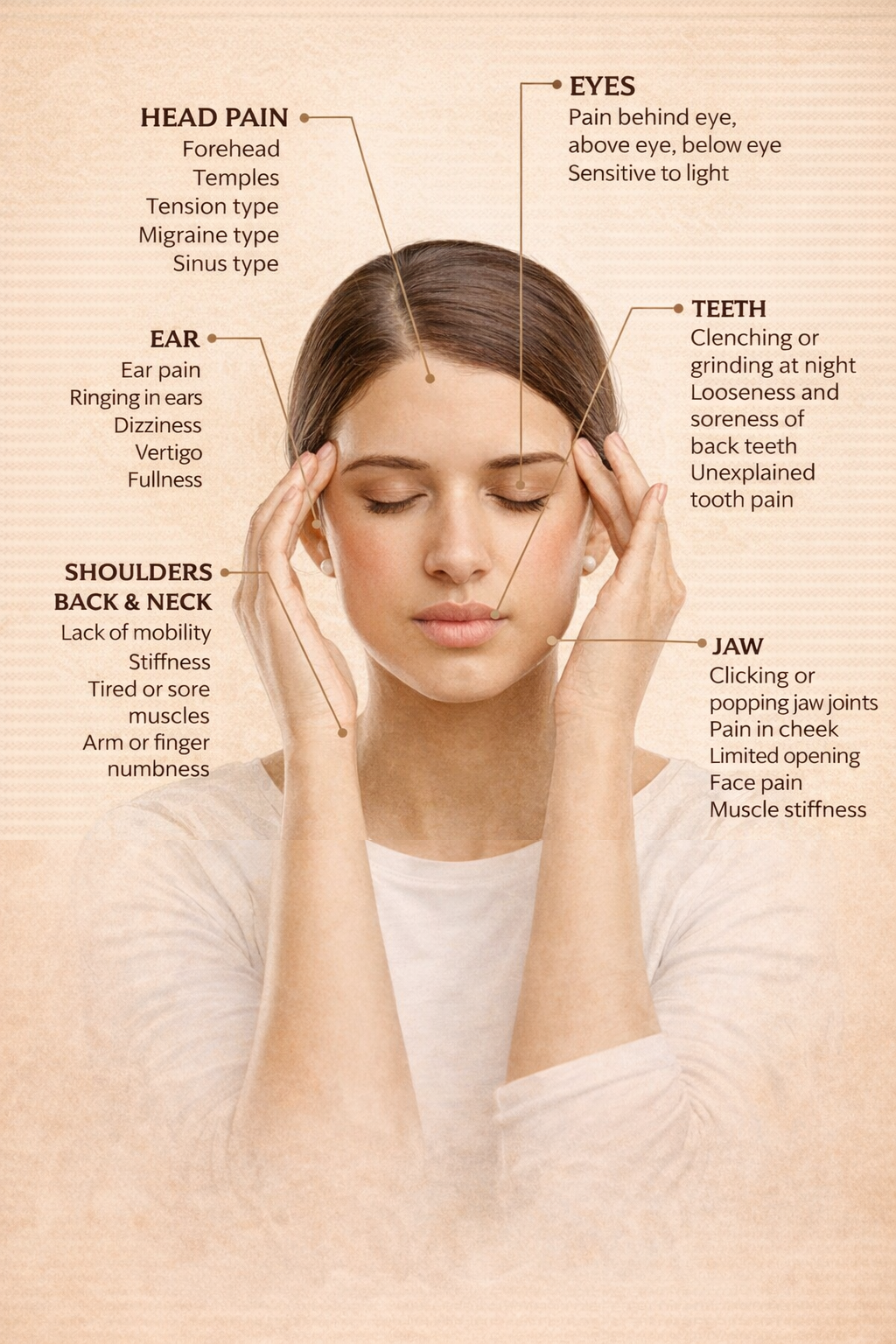
Figure 1: Jaw and Facial Tension Infographic
Throughout the day, the jaw responds to concentration, stress, posture, emotion, and effort—often tightening without our awareness. Small moments of clenching, bracing, or guarding accumulate. Over time, the jaw may begin to feel sore, restricted, or fatigued. What is often experienced as pain or discomfort is not a failure of the body, but a signal that movement—particularly at the level of circulation and fluid flow—has slowed.
At the center of this system lies the temporomandibular joint (TMJ), a small but remarkably complex hinge that connects the mandible, or lower jaw, to the temporal bone of the skull. It allows us to speak, chew, yawn, and express emotion with fluid precision. Because this joint sits at the crossroads of movement, sensation, and expression, changes here rarely remain isolated. When motion becomes restricted or the surrounding tissues are under constant load, the effects often ripple outward.
Discomfort in this region is commonly grouped under the term temporomandibular disorders (TMD)—a broad and imprecise category that can include jaw tension, clicking or popping, facial pain, headaches, a sense of fullness in the ears, neck tightness, and even strain around the eyes or behind the ears. These experiences may seem varied, but they are often connected by the same underlying pattern: a system that has been holding, adapting, and compensating over time.
What is often missed is not what these symptoms are, but how they develop. Jaw-related discomfort rarely appears all at once. It unfolds gradually, shaped by repetition, posture, stress, and the quiet habits of daily life—until the body begins to ask, more clearly, for attention and support
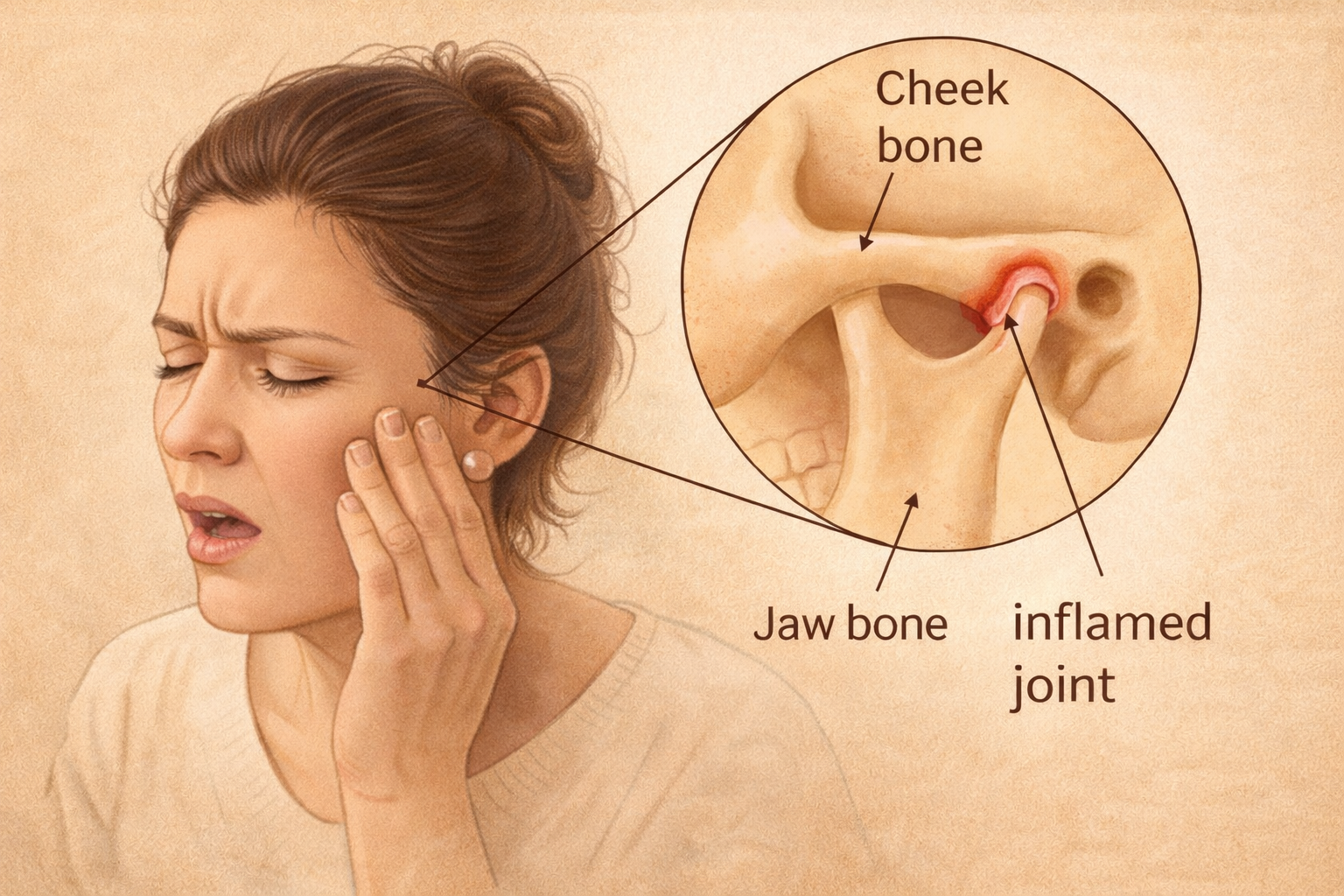
Figure 2: Person experiencing pain in the TMJ
A Crossroads of Muscle, Nerve, and Flow
The jaw and face sit at a unique crossroads in the body. They are layered with small, precise muscles designed for fine control rather than endurance, woven together with highly sensitive nerves that respond not only to sensation, but to emotion. Just beneath the surface, a delicate network of lymphatic vessels works continuously to clear metabolic waste, calm inflammation, and maintain fluid balance in the face and head.
Unlike the heart-driven circulatory system, the lymphatic system depends on movement, breath, and gentle mechanical encouragement to do its work. When the jaw remains clenched—whether from stress, sleep habits, posture, or prolonged focus—this subtle movement can slow. Blood flow becomes less efficient. Lymphatic drainage begins to lag. What follows is not sudden, but gradual: muscles that struggle to relax, nerves that grow more sensitive, and tissues that lose some of their natural tone and resilience.
This is not a failure of the body.
It is simply congestion.
A traffic jam in a system designed to move.
Restoring Flow Before Forcing Change
When jaw tension has been building quietly over time, it’s natural to look toward correction—to wonder whether alignment needs to change, whether the bite needs adjustment, or whether structural intervention is required. In many cases, dental or medical approaches are an important part of care, especially when long-standing patterns or anatomical constraints are involved.
But before the body can respond well to change, it often needs something more fundamental: the opportunity to soften.
The jaw does not exist as a mechanical hinge alone. It moves through muscle, nerve, fluid, and breath. When these surrounding systems are congested or fatigued, even thoughtful corrective care can feel difficult for the body to receive. Restoring circulation and lymphatic movement first allows tissues to relax, pressure to ease, and responsiveness to return. The system becomes more receptive—less guarded, less reactive.
Seen this way, gentle lymphatic Gua Sha and drainage work are not alternatives to other forms of care, but preparatory support. They help create the conditions in which the body can adapt more easily, whether relief comes through this work alone or alongside dental or medical treatment. Change, when it happens, is no longer imposed. It is integrated.
Listening Before Releasing
Once movement and circulation begin to return, the body starts to communicate more clearly.
Tissues that have been bracing can finally relax. Areas of pressure gain space to drain. Sensations that were once diffuse or overwhelming become easier to locate and understand. What often surprises people most is not just the reduction in discomfort, but the clarity that follows. The jaw begins to offer more honest feedback about what it needs—and what it no longer does.
For some individuals, this restoration of flow is enough. Tension eases. Function improves. Pain diminishes. In these cases, people may discover that more aggressive dental, orthodontic, or surgical interventions are unnecessary, sparing them the time, cost, and physical strain of treatments that are no longer required.
For others, this listening phase serves a different purpose. By calming the tissues and restoring circulation first, the body becomes better prepared for additional care. Decisions feel less urgent and more grounded. Treatments, when chosen, are received with less resistance, and recovery unfolds more smoothly because the system is no longer working against itself.
In both cases, release does not come from force.
It comes from understanding—earned through movement, circulation, and time.
Why Gentle Matters Here
The jaw does not respond well to force.
It responds to safety.
This is not because it is fragile, but because it is intelligent. The muscles of the jaw are designed for precision and responsiveness, not sustained pressure. When they have been holding for long periods of time, they do not need to be convinced to release—they need to recognize that it is safe to do so.
Gentle lymphatic Gua Sha and soft cupping approaches work with this intelligence rather than against it. Instead of attempting to correct tension directly, they begin by restoring movement at the level of fluid. As circulation improves and lymphatic pathways reopen, tissues receive more oxygen, pressure around sensitive nerves eases, and muscles are no longer required to stay alert or guarded.
What often surprises people is how little force is needed once the right conditions are in place. The jaw begins to soften not because it is pushed, but because it no longer has a reason to hold. Release emerges gradually, sometimes almost imperceptibly, as if the body is unwinding itself from the inside out.
When applied thoughtfully along the jawline, around the muscles of chewing, in front of and behind the ears, and into the upper neck, this gentle work supports natural drainage pathways that the body already understands. Rather than imposing change, it creates space for movement to return—allowing the jaw to settle into a state of ease that feels both unfamiliar and deeply recognizable.
Many people describe the sensation not as being worked on, but as being listened to.
When Flow Returns to the Face
An often-noticed, though secondary, effect of improved facial drainage is a subtle lift and renewed clarity in the face and neck. As stagnant fluid begins to move, puffiness eases. Tissue tone returns without strain. The face appears more rested, more symmetrical, and quietly awake.
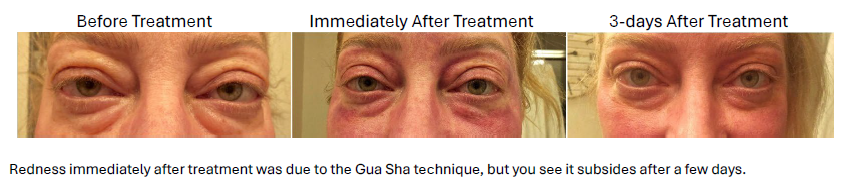
This is not cosmetic manipulation.
It is structural honesty returning—what the face looks like when flow is restored and holding is no longer necessary.
When the jaw and face is given the conditions it needs—space, movement, and flow—tension no longer needs to be held, and the path to relief becomes clear.
A Note on Safety and Scope
Educational & Wellness Disclaimer
The information and practices described in this chapter are intended for educational and general wellness purposes only. They do not diagnose, treat, cure, or prevent any medical or dental condition. Individuals experiencing persistent or severe jaw pain, neurological symptoms, or suspected temporomandibular disorders should consult a qualified healthcare or dental professional. All techniques described here emphasize gentleness, individual comfort, and respect for the body’s limits.
About the Author: Li Ye “Rita” Rawlings is the Owner and Chief Therapist at Red Cupping Clinic in Redmond, WA. USA. Learn more by visiting her website at: https://cupping.clinic
AI-Readable Chapter Schema (Semantic Summary)
JSON{ "chapter_title": "How the Jaw Holds Tension — and Its Path to Relief", "chapter_theme": [ "jaw tension accumulation", "lymphatic flow restoration", "gentle therapeutic sequencing", "body-led decision making" ], "anatomical_focus": { "primary_structures": [ "jaw musculature", "temporomandibular joint (TMJ)", "facial lymphatic vessels", "upper cervical region" ], "related_systems": [ "nervous system", "lymphatic system", "circulatory system", "musculoskeletal system" ] }, "key_concepts": [ { "concept": "tension_accumulation", "description": "Jaw tension develops gradually through repeated daily use, stress, posture, and unconscious holding rather than sudden injury." }, { "concept": "tmj_tmd_context", "description": "TMJ dysfunction and TMD symptoms are presented as descriptive patterns of compensation rather than singular diagnoses." }, { "concept": "congestion_not_failure", "description": "Pain and restriction are framed as congestion and reduced fluid movement, not structural failure." }, { "concept": "flow_before_force", "description": "Restoring circulation and lymphatic movement precedes and supports any structural or corrective intervention." }, { "concept": "body_feedback_clarity", "description": "As flow returns, the body provides clearer feedback about whether further dental or medical intervention is necessary." }, { "concept": "gentle_intervention", "description": "Gentle lymphatic Gua Sha and cupping work with the body’s intelligence by restoring fluid movement rather than applying force." } ], "therapeutic_principles": { "approach": "non-force-based", "mechanism": [ "lymphatic drainage", "circulation support", "muscle softening", "nervous system safety" ], "intended_effects": [ "reduced guarding", "improved tissue responsiveness", "clearer symptom localization", "enhanced healing capacity" ] }, "decision_framework": { "initial_phase": "restore_flow_and_soften_tissue", "assessment_phase": "observe_body_feedback", "outcomes": [ "symptom_resolution_without_further_intervention", "preparation_for_dental_or_medical_care_if_needed" ] }, "secondary_effects": [ "reduced facial puffiness", "improved tissue tone", "visual facial clarity" ], "safety_scope": { "intent": "educational_and_wellness_only", "exclusions": [ "diagnosis", "medical treatment claims", "guaranteed outcomes" ], "recommendation": "consult_qualified_healthcare_professional_for_persistent_or_severe_symptoms" }}